

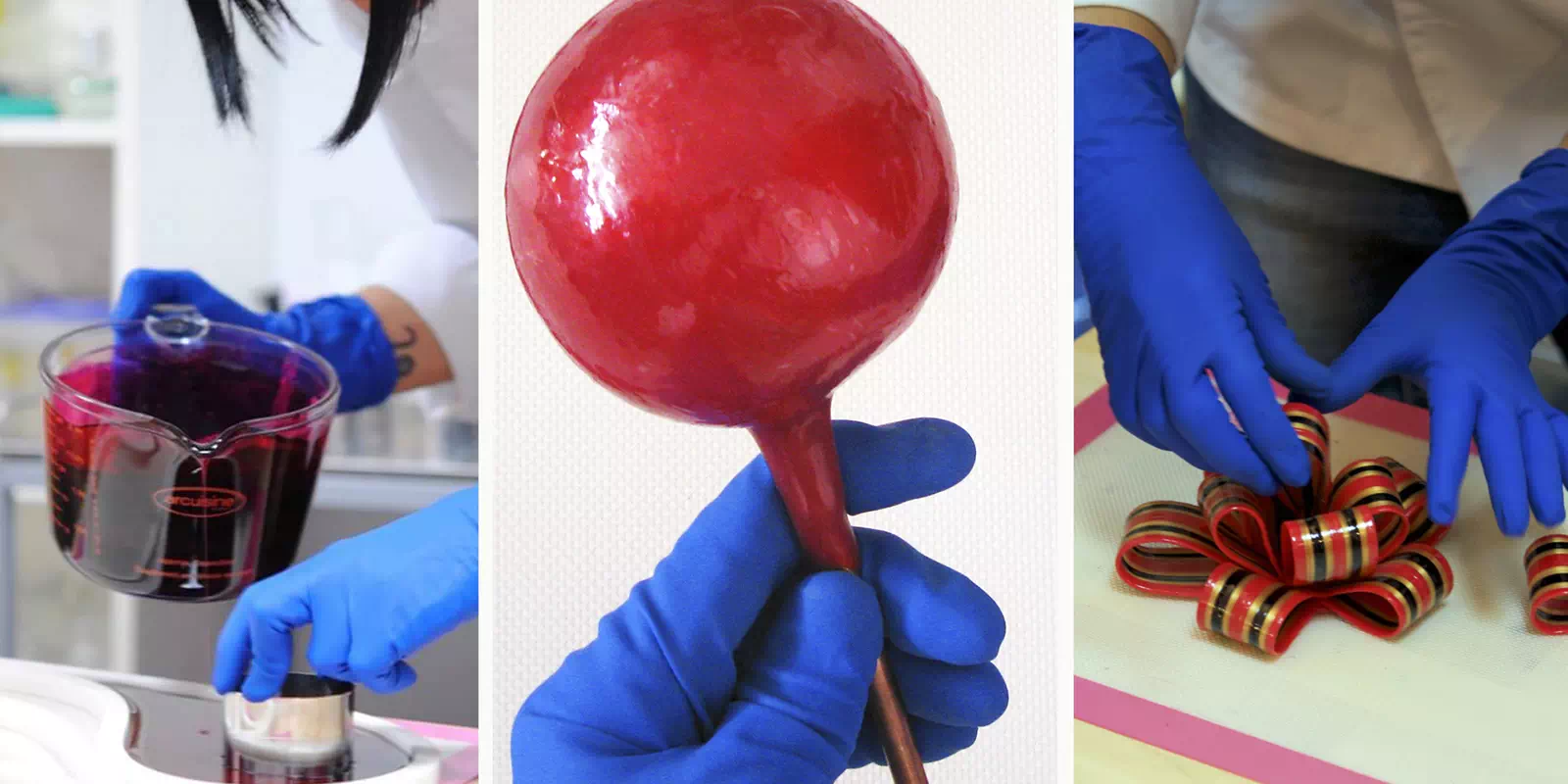
EIn this post, I’m going to talk about isomalt and its techniques. You could say there are many techniques, since you can create a vast array of decorations with caramel. In this post, I’m going to discuss the basic techniques for working with caramel, as knowing these three will allow you to master the others.
Okay, the core techniques I’m talking about are three:
- Strained.
- Stretched.
- Blown.
Casting technique
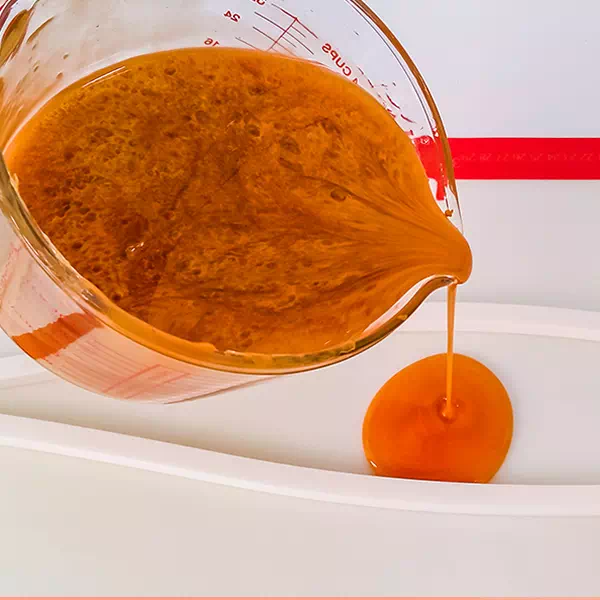
We talk about strained caramel when what we do is pour the caramel onto some surface, whether it is in some type of metal, silicone or other mold, or on any type of surface.
Stretching technique
The stretching technique, as its name suggests, involves stretching the isomalt after it has cooled on the mat (and satin-finished if necessary) until the desired piece is formed. This can range from a single petal to create flowers to ribbons in various colors. Essentially, we stretch the candy whenever we create a decoration from a base piece of caramel, or even if we shape it after removing it from the mat.
Blowing technique
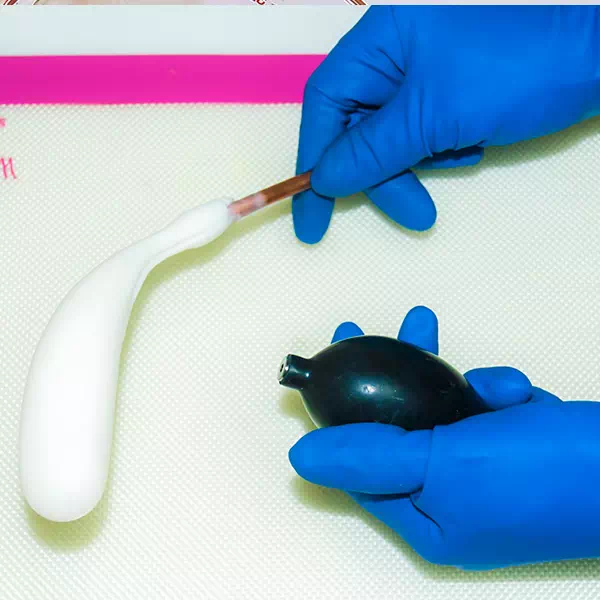
I think the blowing technique is the most recognizable, since blown spheres are the most common. We use a candy blower or sugar blower to introduce air into a piece of candy until we achieve the desired shape. We can blow anything from a simple sphere to pieces of different shapes and sizes. This technique is used to make relatively large decorations or simply to create a space where we can blow. We create a hollow space because if we made them solid, the piece would be very heavy. I always say that blowing should be the first option if possible. It saves candy and, above all, reduces the weight of the final piece.
Well, as I’ve told you, these are the three basic techniques for working with isomalt sugar.
Want to learn more? Expand your knowledge about isomalt with these articles:








Leave A Comment