

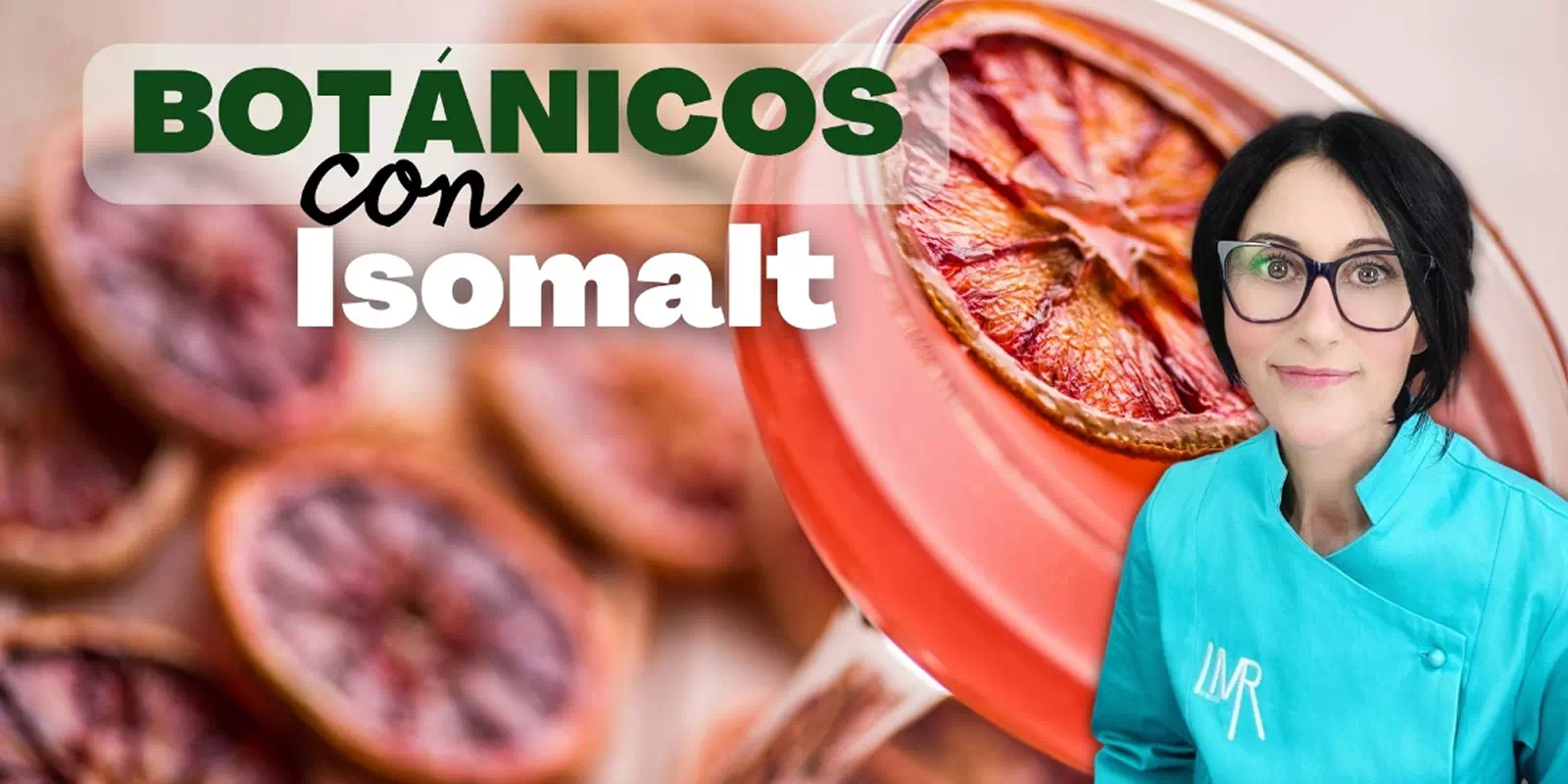
CWhen we talk about botanicals to use with isomalt, especially for making cocktail lollipops and tea, we’re referring to a combination of spices, fruits, or flowers. In cocktails, their purpose is to create new flavors and sensations by naturally seasoning, adding flavor, aroma, and color. Combining botanicals with isomalt creates a powerful pairing, offering incredible possibilities in both flavor and presentation. I’ll begin by explaining how to work with botanicals in mixology.
How are botanicals used in cocktails?
Expert mixologists recommend using a maximum of two botanicals per glass, and a citrus fruit if desired. They manipulate the botanicals to extract their maximum flavor and enhance the cocktail. They create an atmosphere in the cocktail by combining three senses: smell, taste, and sight.
- Muddled: This involves crushing or grinding the botanical so that it releases all its flavor into the cocktail liquid.
- Infused: Its flavor is extracted in a hot liquid such as an infusion, and that liquid is added to the cocktail.
What is the botanist doing with Isomalt?
Now that I’ve explained what a botanical is, its role in a cocktail, and how it extracts flavor to enhance a drink or cocktail, let’s delve into what a botanical does when it comes to isomalt.
When we use botanicals with isomalt, we save ourselves the steps that bartenders take to extract their flavor. The isomalt does all the work. When the botanical touches the hot isomalt, the isomalt immediately begins to absorb all the flavor of the botanical it’s touching.
When you put the isomalt lollipop into the glass or cocktail, as the isomalt begins to dissolve from contact with the liquid, all the flavor it has absorbed begins to be released into the cocktail liquid, enriching it in a natural and intense way.
And here we introduce another sense: touch. Having the lollipop in the cocktail allows us to play with it, moving it around in the glass, hearing the clink of it hitting the glass, and sipping through the straw. Quite a ritual.
Types of botanists
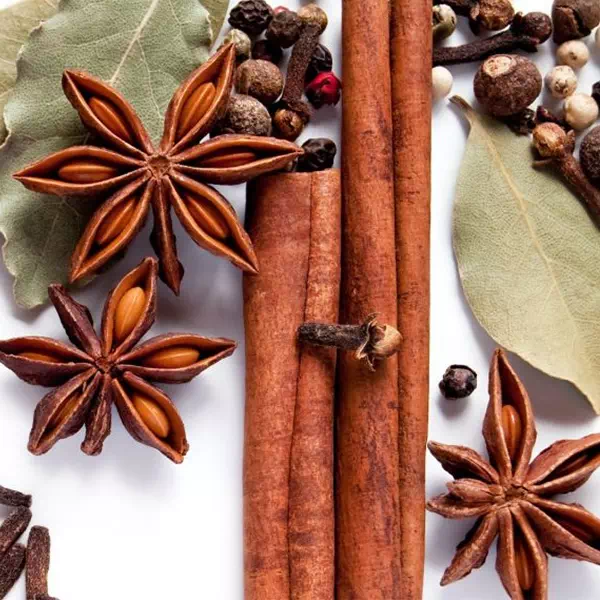
Spices
Spices are always used whole, with the exception of a few like cinnamon, which can be chopped. Do not use them in powder form, as the flavor of the whole spice will always be more intense.
As a tip, I’ll tell you that if you toast them a little, they’ll develop even more flavor. Put them in the oven at 160ºC for about 5 minutes.
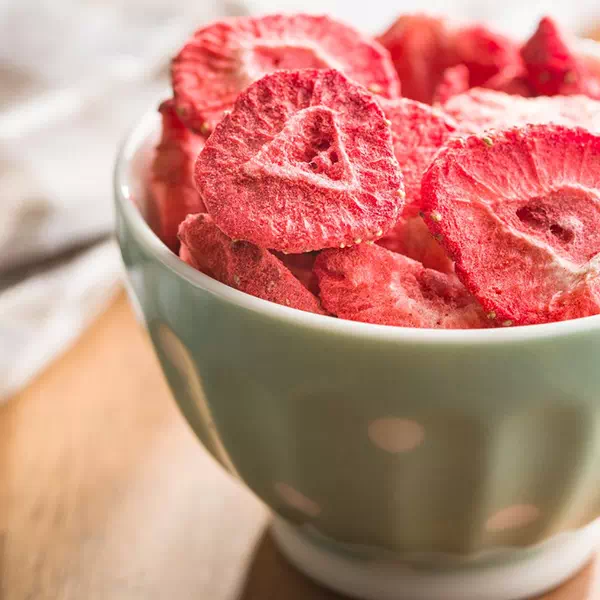
Dried or freeze-dried fruit
There is a wide variety of dried fruits, both the fruit itself and its peel, such as oranges, lemons, or limes. Besides adding flavor, dried fruit is also very aesthetically pleasing when presented.
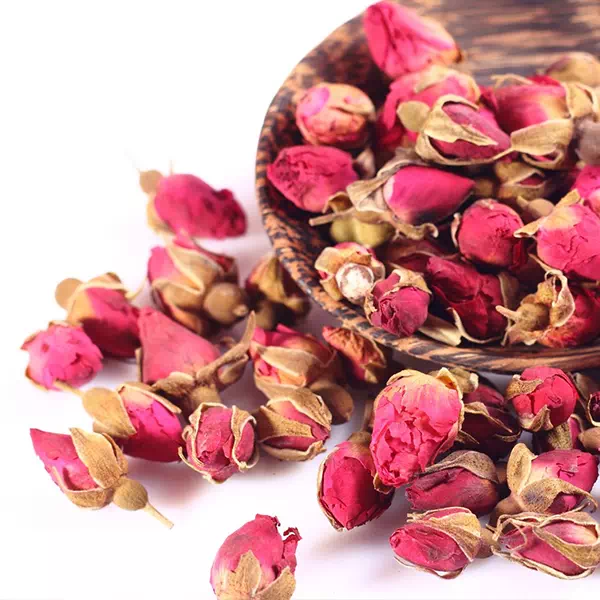
Dried edible flowers
Dried flowers offer a lot of possibilities. They are usually used for aesthetics and color, as they tend to tint the liquid, especially hibiscus flowers, but isomalt can bring out their aroma and flavor. Roses are commonly used, both buds and petals, along with orange blossom, jasmine, mallow, poppies, and hibiscus flowers. Their flavor is usually very mild, with light floral notes, except for orange blossom, which has a very intense flavor.
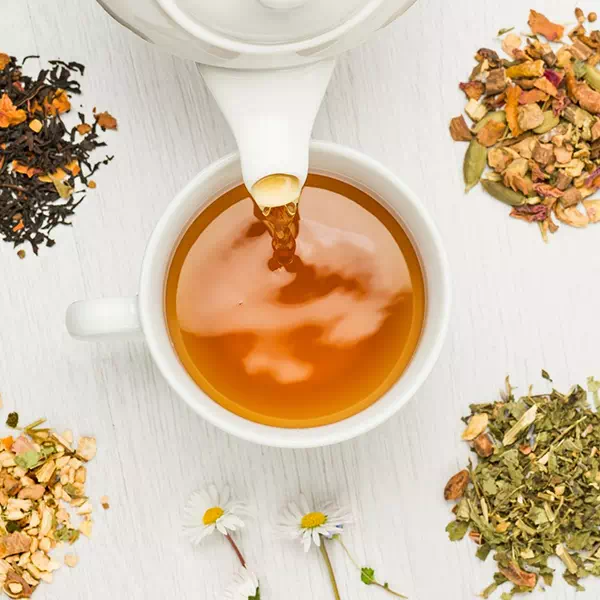
Tea
When we talk about tea, we’re talking about strong, flavorful teas, not tea bags. There’s an immense variety of teas, and they give you the option of adding very exotic flavors to your lollipops.
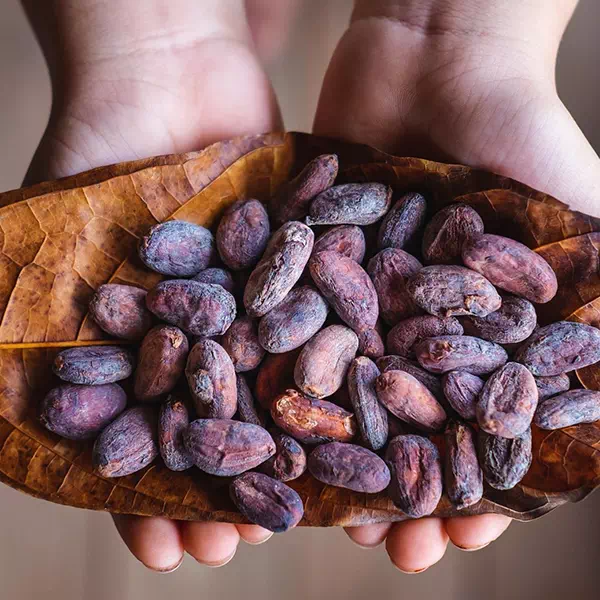
Cocoa seed
We’ll discuss this seed separately because both the cacao bean and the tonka bean are used by grating them onto the lollipop. The cacao flavor you can add to your cocktail is incredible.
This is a small selection of the most basic ingredients, but I’m sure your imagination can run wild when it comes to flavoring a cocktail lollipop. In our online store, we have a new botanicals section where we explain what each botanical adds to your cocktail and which liquids they pair best with. I hope you’ll be adding a burst of flavor to your cocktails with lollipops from now on.
Links that may interest you:


Leave A Comment