

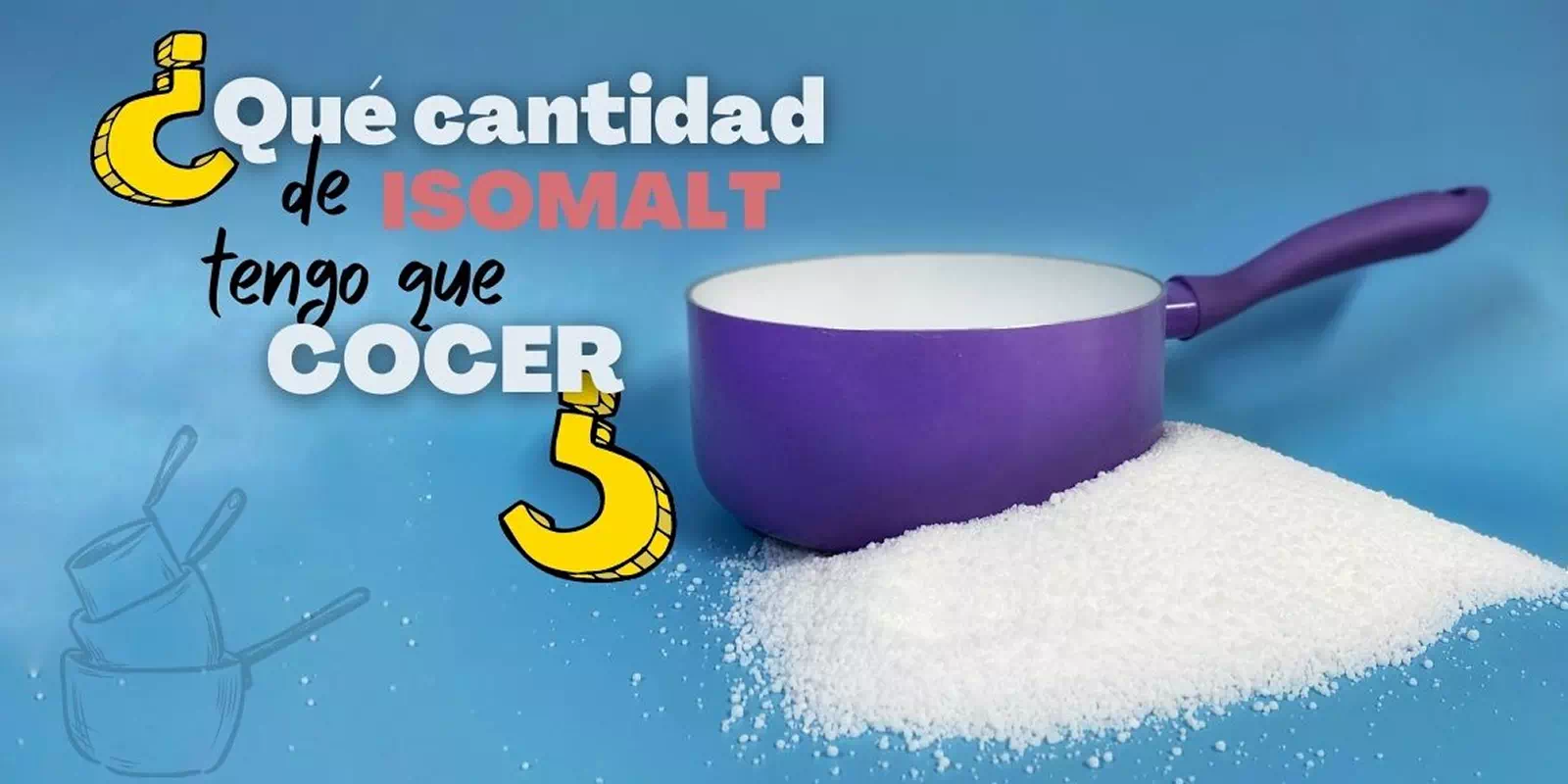
TWe’ve all had a beginning, a day when we first learn a technique, and when it comes to isomalt, that beginning is when we have to start cooking it. How much isomalt do I need to cook?
Let me paint you a picture. It’s your first time, and you’ve bought a kilo of isomalt. When it comes time to cook it, you think, “I’ll just cook a small amount of isomalt because it’s my first time, and I’m afraid of messing it up.” So you put a little bit in the saucepan and…oh my God, it’s burned! Ugh, I’m just not good at this. You save the leftover isomalt, clean your saucepan, and forget about the technique because, of course, if I couldn’t even cook it properly, how am I ever going to be able to do any decorating?
Don’t worry, we’ve all been there, and the mistake isn’t you, the mistake is the amount of isomalt you tried to cook.
The biggest mistake a beginner can make
Cooking isomalt is very simple, but it requires some important steps, which you can read about in this article . As you’ll read, isomalt needs to melt gradually, at a low temperature, and in several batches. Furthermore, when inserting a thermometer to ensure it reaches 180°C, it’s quite difficult (if there’s only a small amount) to keep it from touching the bottom of the pan. It’s much more difficult to cook small quantities than large ones. When cooking larger quantities, you can have much better control over the cooking process and temperature. This will ensure your isomalt is perfect.
Advantages of cooking large quantities
If you’ve bought 1, 2, or 3 kilos, cook it all. The least interesting part of working with isomalt is the cooking.
If you cook all the isomalt at once, you can portion out what you don’t need, set it aside, store it, and you’ll have cooked isomalt that you just need to melt when you need it.
Once isomalt is cooked, you don’t need to cook it again, you just have to melt it.
By doing it this way, I assure you that you will use it much more.
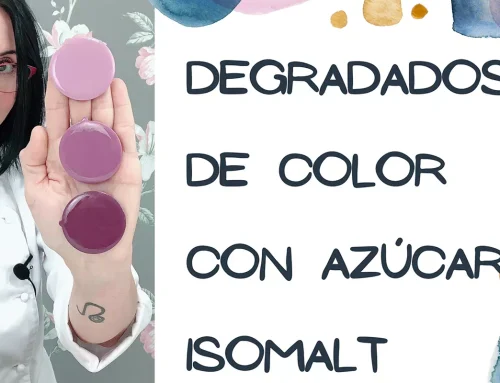
I hope you follow my advice; here’s a video where I explain it:


Leave A Comment