

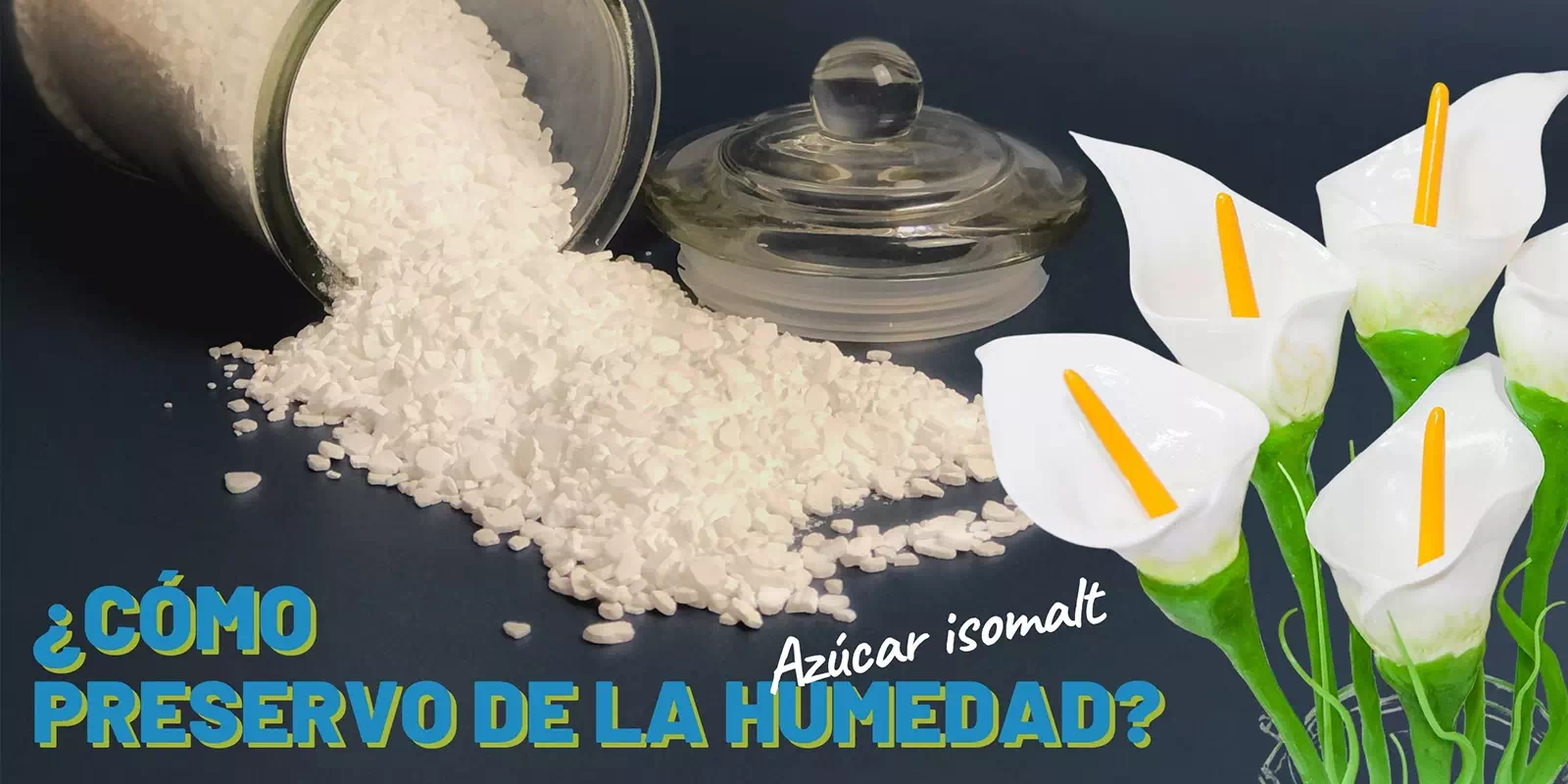
CHow do I store isomalt? Or, why does isomalt become opaque? Along with, what can I do to make my decorations last longer? These are the three most frequently asked questions I hear in my isomalt sugar courses. In this post, I’m going to clarify some of your doubts, as preservation is quite important when working with caramel, since there’s a major enemy to combat: humidity. Obviously, the more humid the climate in which we work, the more difficult the process becomes, but it’s not impossible. There are several stages in isomalt preservation, and these stages begin once the caramel is cooked.
Phases of isomalt preservation
Isomalt that has already been cooked and will not be used at the moment
I always recommend in my courses that once you start boiling, you should boil all the isomalt you have. If you have one, two, or three kilos, then boil it all. Why do I say this?
First, because the cooking part is the least fun, and if we have to cook it every time we want to use isomalt, I assure you, you won’t bother. And second, because if I have everything cooked and properly stored, I only have to take the piece I need, heat it up, and start creating.
I cook everything, and what I’m not going to use right away I pour into silicone molds of varying sizes, depending on the portion size I want to preserve it in. In this case, the best way to preserve isomalt is by wrapping the portions in cling film once they’re cool and storing them until we need them again. Alternatively, any leftover isomalt from decorations can be wrapped in cling film once it’s cooled and stored.
We can store the isomalt already dyed or undyed and dye it when we are going to use it.
Bonus: Isomalt and color – learn how to dye isomalt.
Keep isomalt while we make the decorations
Imagine you are making flower petals to assemble them once they are cold.
If you’re in a humid climate, those petals might get a little sticky until you’ve finished assembling your flower.
Ideally, those petals should be preserved until you finish.
It’s also possible that you’ve finished that flower but still need to add more decorations before assembling the final piece. That waiting time should be taken into account.
Save the isomalt when we have our piece completely finished
We now have our finished caramel or isomalt piece and want it to last . Or perhaps we’ve made cloches or delicate decorations to be used on a dessert. We’ll keep them stored until it’s time to serve the dessert.
How to preserve isomalt
There are several products or raw materials to help us in each of the phases seen.
I’ll tell you about the products, and at the end of this post I’ll explain how to use each one. Keep reading to learn how.
Silica gel
Silica gel is a granular, porous form of silicon dioxide manufactured synthetically from sodium silicate. Despite its name, silica gel is a solid.
Put so technically, it sounds like gibberish, right? But if you look at the next photo, it’s something we see constantly on coats, bags, etc.
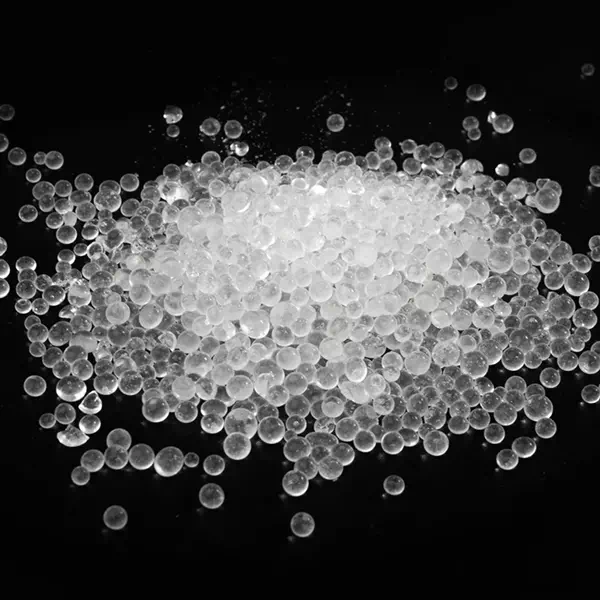
What are the advantages of using silica gel?
These beads are reusable. Let me explain: silica gel absorbs moisture and changes color. When it can no longer absorb moisture, you place them in a silicone mold or any oven- or microwave-safe container and bake them at 37°C for about an hour, or microwave them for about 10 minutes at full power. They’ll return to their original color, and voila, ready to use again. It’s more expensive than silica gel, but since it’s reusable, it’s more cost-effective.
What are the disadvantages?
If you live in a very humid climate, silica gel alone isn’t enough for preservation; you need something more powerful. For example, I can’t use silica gel because where I live we have very high humidity. But don’t worry, I’m going to give you a more powerful alternative. Keep reading.
Calcium chloride or calcium chloride
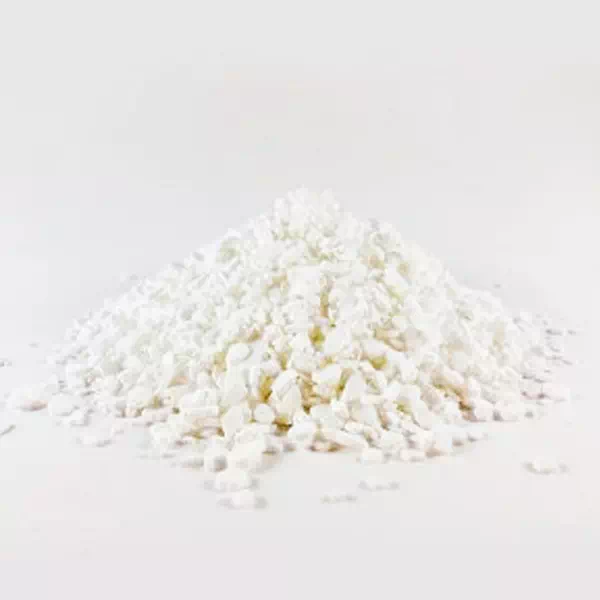
Calcium chloride is an inorganic chemical compound used as a medication for illnesses or conditions related to excess or deficiency of calcium in the body. It is also used in the food industry.
It is currently a widely used product in the most prestigious kitchens in the world. It is used, along with sodium alginate and other substances, in a process known as basic spherification: the creation of caviar -like spheres. It is also used in the production of cheese and yogurt. Ultimately, it is salt. The salt we consume is sodium chloride, and calcium chloride is the most effective dehumidifier available.
Calcium chloride is an inorganic chemical compound, a mineral used as a medication for illnesses or conditions related to excess or deficiency of calcium in the body. It is used in the food industry. Currently, it is a widely used product in the most prestigious kitchens in the world. It is used, along with sodium alginate and other substances, in a process known as basic spherification: the creation of caviar -like spheres. It is also used in the production of cheese and yogurt. In short, it’s salt. The salt we consume is sodium chloride, and calcium chloride is the best dehumidifier there is. To give you an idea: it’s the salt that snowplows spread on the roads. But anyway, in our case, it’s the best dehumidifier for caramel. Whenever I talk about chloride, people ask me, “And when do you add it to isomalt?” Noooo, you don’t add it to isomalt! Now I’ll explain how to use it.
What are the advantages of using calcium chloride?
Its high hygroscopic index makes it essential in humid climates. What are the disadvantages? Although it’s cheaper than silica gel, chloride cannot be reused; once it absorbs moisture, it becomes unusable. But don’t worry, it lasts a long time. You’ll see that the edges of the container where you keep it will harden first; just peel them off, and the rest will still be usable. As long as it’s dry, it’s suitable for use.
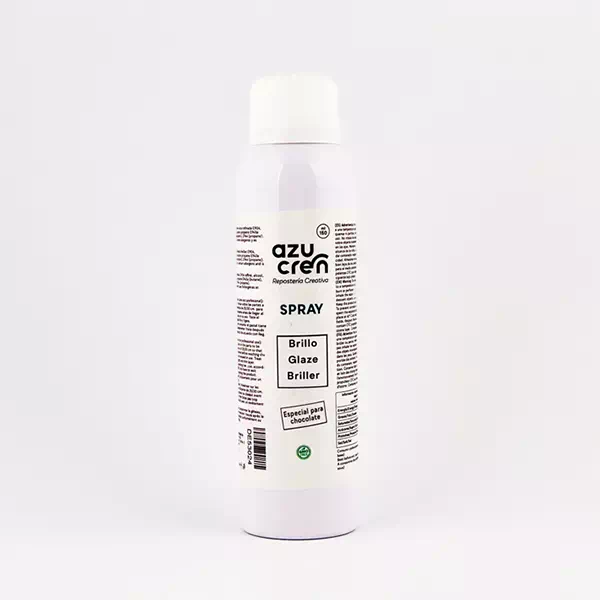
Food grade varnish
As its name suggests, it is a spray varnish with which we spray the piece.
It creates a film around it that acts as a barrier to moisture.
This varnish is usually sold to give shine to chocolate but it is perfect for caramel.
How do I use each product to preserve isomalt?
Both silica gel and calcium chloride are used in the first two phases, before and during. We need to prepare a thermal box, either made of cork or plastic, but we must ensure it is tightly sealed. We place a sheet of waxed paper or parchment paper at the bottom of the box. On top of this sheet of paper, we place a thin layer of calcium chloride; not much is needed.
On top of the chloride bed we put another sheet of baking paper (it is important that the chloride does not touch the isomalt) and we have a dehumidifying box ready.
Well, in that box we store the isomalt that we are not going to use or want to keep, but we can also put in parts of a piece that we are making until its final assembly.
We will always use food-grade varnish on fully finished pieces. Be careful, decorations like bells or encapsulated items cannot be varnished; they won’t look good. If you are in a cold climate, you should warm the spray can slightly, either under a lamp or in the oven door. Keep in mind that if you don’t warm it, the small amount of fat it contains could cause it to foam and slightly damage the piece.
And that concludes this post on preservation. I hope it’s clear that candy shouldn’t be left unpreserved, especially in humid climates.
I hope you find this post helpful, and feel free to leave any questions or suggestions in the comments.
I LOVE ISOMALT!!!






Leave A Comment